- How does societal trends impact demand?
For the coming year, trends show a growing emphasis on a shifting local and global identity, the impact of intersectionality, and the real threat of cyber spying. As our global awareness builds, our economies become more intertwined, political trends spread, and media keep us all connected.Tastes and trends are more fluid social influences than demographics. A consumer preference for sustainability in everything from product sourcing to energy efficient manufacturing is a trend that has proven to have staying power and is unlikely to change as environmental awareness continues to grow. It’s tricky to change your products to accommodate fleeting trends.”The emphasis, they say, will be on talent not capital.” Contingent workers are now a reality. Instead of traditional college degrees, ambitious wannabe employees create CVs of their own design with badges, hands-on learning and nano-degrees building their own version of talent. Workers patch together careers of their own making—job sharing, double gigs, freelancing. According to MBO Partners “in the last five years, the number of independent workers in the US has risen 12%”Use your creativity to make money on Kickstarter, your house to make money on AirBnB, your car to burn a few hours with Uber, then use your friends to make an audience on YouTube and sell product placement on that. Then add in the Makers who tinker with AI, write the apps to entertain us, buy the 3D printers and create the videos we share.
Meehan, M. (2016, December 16). The Top Trends Shaping Business For 2017. Retrieved September 6, 2018, from https://www.forbes.com/sites/marymeehan/2016/12/15/the-top-trends-shaping-business-for-2017/#56d7dbf56a8a
- How do alternative energy sources affect supply and demand?
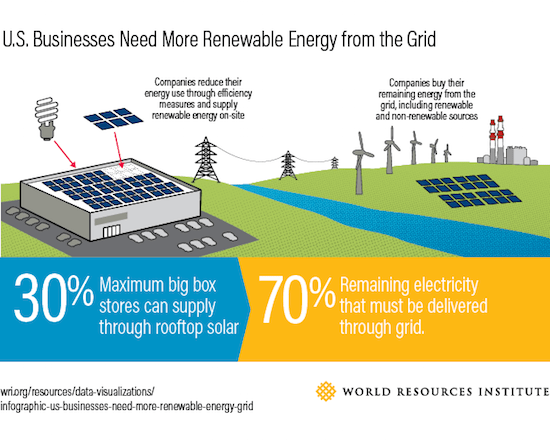
We know that now, more than ever, that we must forge a stronger, more diverse, and less polluting global energy economy. That economy must rely on vastly expanded efficiency strategies, and on renewable sources of energy, as well.Renewable energy is currently responsible for 11 percent of America’s domestic energy production, with over 125 GW of operating renewable power projects (56.8 GW from non-hydro technologies) and 13 billion gallons of biofuels projects. The biofuels industry alone displaces the need for roughly 445 million barrels of oil, more than the total estimated crude oil imports from Saudi Arabia last year.
Today, solar energy is the fastest growing energy technology in the U.S. The U.S. solar market grew to a $6 billion industry in 2010, up 67 percent from $3.6 billion in 2009. The U.S. wind industry had over 40,000 MW of wind power capacity installed by the end of 2010, with over 5,000 of those megawatts installed in 2010 alone. This is enough to power over 10 million American homes.

McGinn, D. V. (2011, November 26). The Supply and Demand of Renewable Energy. Retrieved September 7, 2018, from https://www.huffingtonpost.com/dennis-v-mcginn/renewable-energy-economy_b_982092.html
- What affects oil demand growth?
Current and expected levels of economic growth heavily influence global oil demand and oil prices. Commercial and personal transportation activities, in particular, require large amounts of oil and are directly tied to economic conditions. Many manufacturing processes consume oil as fuel or use it as feedstock, and in some non-OECD countries, oil remains an important fuel for power generation. Because of these uses, oil prices tend to rise when economic activity and in turn oil demand is growing strongly. Many non-OECD countries are also experiencing rapid growth in population, which is an additional factor supporting strong oil consumption growth.
Although oil use is clearly tied to economic activity, energy policies also significantly affect that relationship. Many developing countries, for example, control or subsidise end-use prices, which inhibits consumer response to market price changes. This reduced demand response to price changes further contributes to the importance of economic growth as a key driver of non-OECD demand and in turn global oil prices.While current oil consumption is primarily related to current economic activity, changes in the outlook for future economic conditions can also have an immediate impact on oil prices. For example, an improvement in the economic outlook would tend to increase the chance that oil markets will tighten in the future, resulting in higher expected future oil prices. This change in expectations would be reflected in higher oil futures prices. This rise in futures prices increases the incentive to hold inventories, which in turn decreases available current supply and tends to raise current prices.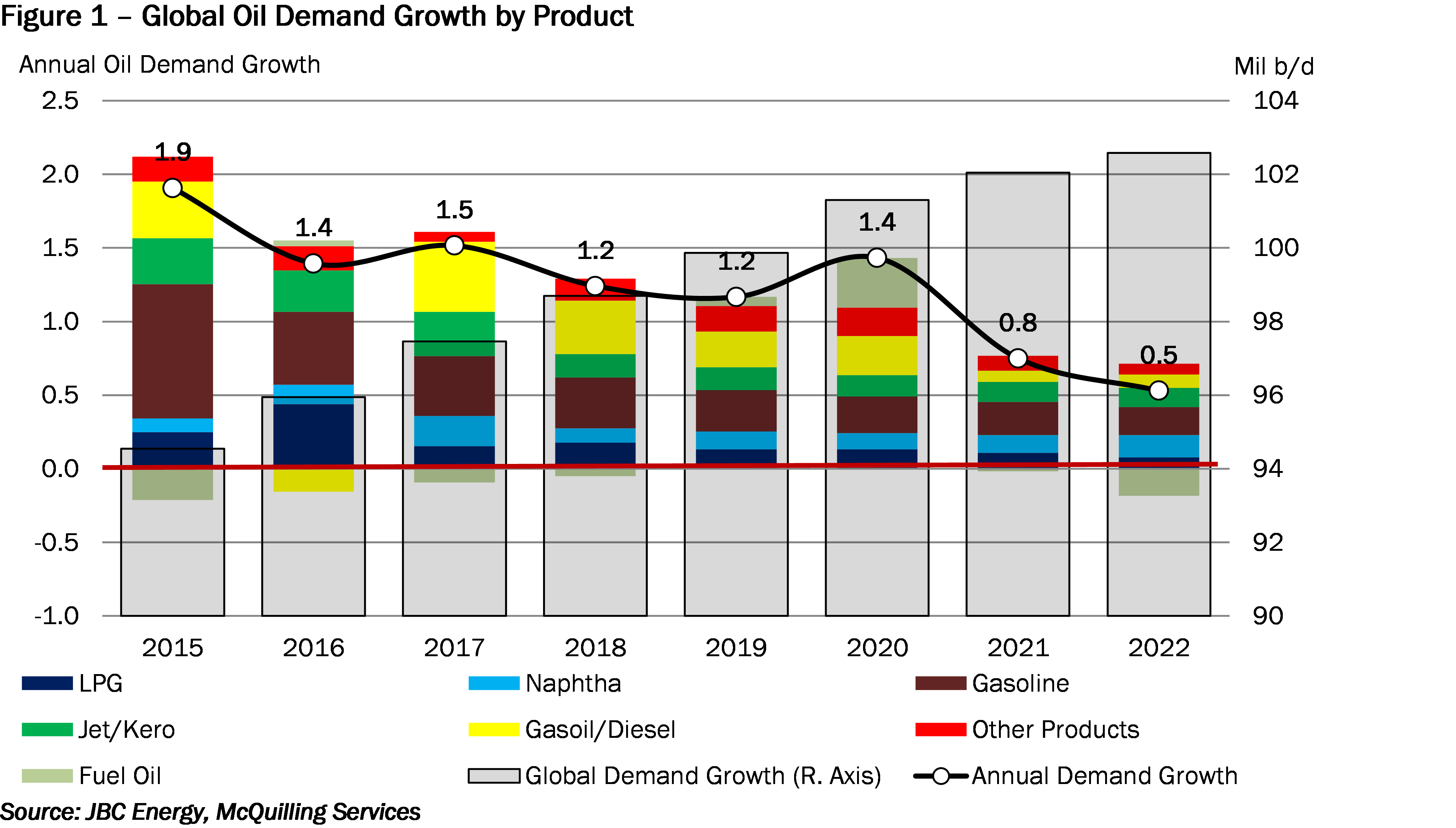

 jacintaspblstudy.blog